Photo: Kushagra140, Wikimedia Commons, CC BY-SA 4.0.
A private terrace, rooftop deck, or ground-level garden pocket is legally exclusive only if it is demarcated as an "exclusive open terrace" under Section 4(2)(h) of RERA on the sanctioned building plan and explicitly conveyed in your registered sale deed.
Disclosure: acre&key's advice is free to buyers. We're an authorised sales partner for some projects and may be paid by the developer.
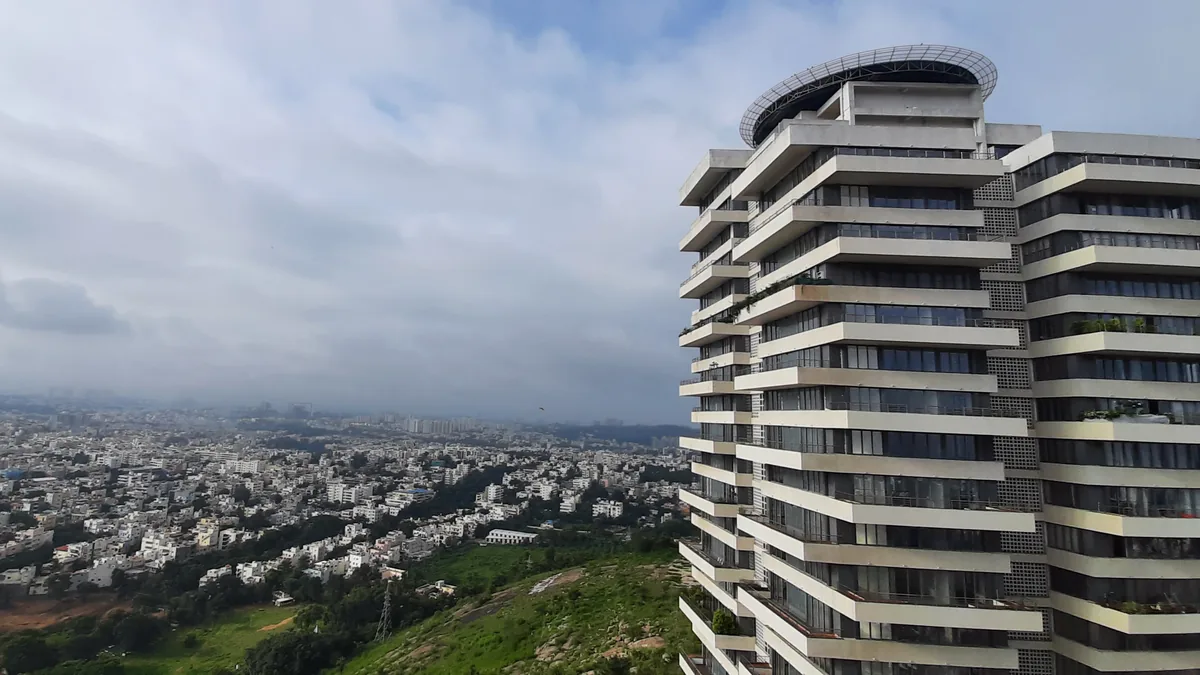
Penthouses, top-floor duplexes, and ground-floor garden apartments in Bengaluru are heavily marketed with promises of "exclusive private terraces" or "personal private backyards." Developers routinely charge substantial pricing markups—often ₹15 to ₹40 Lakhs above standard floor rates—for these open-to-sky extensions.
However, many buyers discover post-possession that their supposed "private terrace" is legally designated as a common fire refuge terrace, houses communal water distribution headers, or is subject to unimpeded access by maintenance staff and neighbors under the apartment association's registered bylaws.
The Tripartite Legal Test for Private Terrace Ownership
For an open terrace or garden space to be legally exclusive, it must satisfy three simultaneous statutory tests:
                  ┌────────────────────────────────────────────────────────┐
                  │             THE EXCLUSIVE TERRACE LEGAL TRIANGLE       │
                  └────────────────────────────────────────────────────────┘
                                              │
         ┌────────────────────────────────────┼────────────────────────────────────┐
         ▼                                    ▼                                    ▼
┌──────────────────────────────┐ ┌──────────────────────────────┐ ┌──────────────────────────────┐
│  1. SANCTIONED BUILDING PLAN │ │   2. RERA SECTION 4(2)(H)    │ │   3. REGISTERED SALE DEED    │
├──────────────────────────────┤ ├──────────────────────────────┤ ├──────────────────────────────┤
│ • BBMP/BDA plan demarcates   │ │ • Promoter's RERA filing     │ │ • Schedule B/C explicitly    │
│   terrace for specific flat  │ │   declares exact square      │ │   conveys exclusive terrace  │
│ • Not marked as 'Common' or  │ │   footage of exclusive open  │ │   boundary & dimensions      │
│   'Fire Refuge Platform'     │ │   terrace area               │ │ • Separate consideration or  │
│ ➔ Certified planning drawing │ ➔ Statutory public disclosure  │ ➔ Registered title conveyance  │
└──────────────────────────────┘ └──────────────────────────────┘ └──────────────────────────────┘
If any one of these three proofs is missing—for example, if the marketing brochure shows a terrace but the BBMP sanctioned plan marks that roof slab as "Common Terrace" or "Service Sump"—the developer cannot legally sell it to you as an exclusive asset.
1. Top-Floor Roofs vs. Stepped-Back Terraces
Understanding architectural design is essential for evaluating terrace legality:
| Terrace Category | Architectural Description | Legal Ownership Status | Common Conflict / Hazard |
|---|---|---|---|
| Stepped-Back Balcony Terrace | Created when a higher floor steps back from the lower floor footprint; accessible exclusively through a private apartment door. | Can be legally sold as an Exclusive Open Terrace if sanctioned in building drawings. | Drainage clogs affecting the ceiling of the apartment directly below; waterproofing liability disputes. |
| Main Building Rooftop | The flat concrete roof covering the uppermost residential floor of the building tower. | Statutorily Common Property under Section 2(n) of RERA 2016. | Developers selling top-floor residents "exclusive roof rights" while overhead water tanks and solar panels sit on the slab. |
| Fire Refuge Terrace | Mandatory open platforms required by the Karnataka Fire and Emergency Services for tall buildings. | Absolute Common Asset by statutory safety code; zero private locking permitted. | BBMP fire clearance cancellation and police removal of private locks if gated off. |
| Ground-Floor Garden Pocket | Open-to-sky perimeter land surrounding ground-floor apartment patios. | Typically part of the Common Plot UDS; developer can grant only an exclusive limited-use easement. | Other residents objecting to fences, pet runs, or private gardening in common boundary setbacks. |
2. Common Service Easements That Trump Private Rights
Even when a terrace is accessible solely from your master bedroom or living room, it cannot be legally privatized if it houses critical communal infrastructure: - Overhead Domestic & Fire Tanks: Maintenance plumbers must have 24/7 unimpeded access to inspect float valves, chlorination levels, and booster pumps. - Solar Water Heating Panels & PV Arrays: Shared renewable energy installations require periodic servicing and cleaning. - Lift Machine Rooms & Pressure Relief Vents: Elevator over-travel shafts and plumbing soil-vent pipes cannot be sealed or enclosed inside a private residence. - Lightning Arresters & Aviation Warning Lights: Mandatory aviation obstruction beacons and grounding copper tapes must remain accessible for electrical safety inspections.
3. The "Illegal Enclosure" Trap (Pergolas & Glass Rooms)
Many buyers purchase open terraces with the ambition of installing all-weather glass enclosures, retractable louvers, or permanent wooden pergolas to create extra living space.
- Floor Area Ratio (FAR) Violations: Open-to-sky terraces are excluded from FAR/FSI calculations during municipal plan sanctioning. Constructing any permanent roof, tensile fabric canopy, or brick enclosure over an open terrace converts it into unauthorized built-up area.
- BBMP Demolition Notices: Under the BBMP Building Bye-Laws 2003 and Section 312 of the KMC Act, unauthorized terrace constructions are subject to immediate demolition without compensation. Furthermore, enclosing a terrace can void structural leak warranties, making the owner personally liable for rainwater damage to the lower floors.
Interactive Terrace Rights Due Diligence Checklist
Audit your prospective terrace or garden apartment against this 10-point technical checklist:
Frequently asked questions
Yes, a builder can charge for an exclusive open terrace, provided the space is formally sanctioned as an exclusive open terrace under Section 4(2)(h) of RERA, and the area and commercial terms are transparently documented in the registered Agreement for Sale. However, charging for common rooftop space is illegal under Section 17 of RERA.
If your terrace meets the tripartite test—sanctioned as exclusive on municipal plans, disclosed under RERA, and conveyed in your registered Sale Deed—the apartment association has zero legal power to revoke your ownership or convert it into common property. The RWA can only enforce reasonable community bylaws regarding noise hours or fire safety.
No. Constructing any permanent or semi-permanent roof (including polycarbonate sheets, metal framing, or glass enclosures) over an open terrace violates the municipal building plan sanction and constitutes an illegal FAR deviation under BBMP Building Bye-Laws.
If the terrace is conveyed as your private exclusive property, you are generally responsible for maintaining internal floor tiles and drainage seals. However, if the leakage originates from structural membrane failure of the building's core slab or exterior rainwater downspouts, the apartment association's maintenance fund is typically responsible for remedial civil repairs.
In most Bengaluru developments, open ground surrounding apartment blocks forms part of the project's common Undivided Share (UDS) of land. Developers cannot convey freehold ownership of the ground. They can only grant an "exclusive right to use" or private garden easement through the registered deed, subject to RWA landscaping bylaws.
To verify a developer's formal project filings, consult our step-by-step tutorial on how to check any Bengaluru project on the Karnataka RERA portal.
Lawyer note: This article provides regulatory and procedural guidance regarding common areas and exclusive easements under Indian real estate statutes. It does not constitute formal legal counsel. For disputed rooftop access rights, unauthorized common area commercialization, or drafting complex terrace easements, consult an experienced property advocate.
CA note: Stamp duty treatment on separate terrace considerations, GST applicability on composite apartment amenities, and municipal tax implications of terrace carpet additions should be reviewed with your chartered accountant.
Sources
Checked 17 Nov 2026.
- Real Estate (Regulation and Development) Act 2016 (Sections 2(n) on Common Areas and Section 4(2)(h) on Terrace Disclosures): https://rera.karnataka.gov.in/resources/staticpage/Real_Estate_Act.pdf
- Karnataka Apartment (Ownership and Management) Act 2026 (Act 45 of 2026)
- Bruhat Bengaluru Mahanagara Palike (BBMP) Building Bye-Laws 2003: https://bbmp.karnataka.gov.in/
- National Building Code of India 2016 (Part 4 on Fire and Life Safety Refuge Norms)