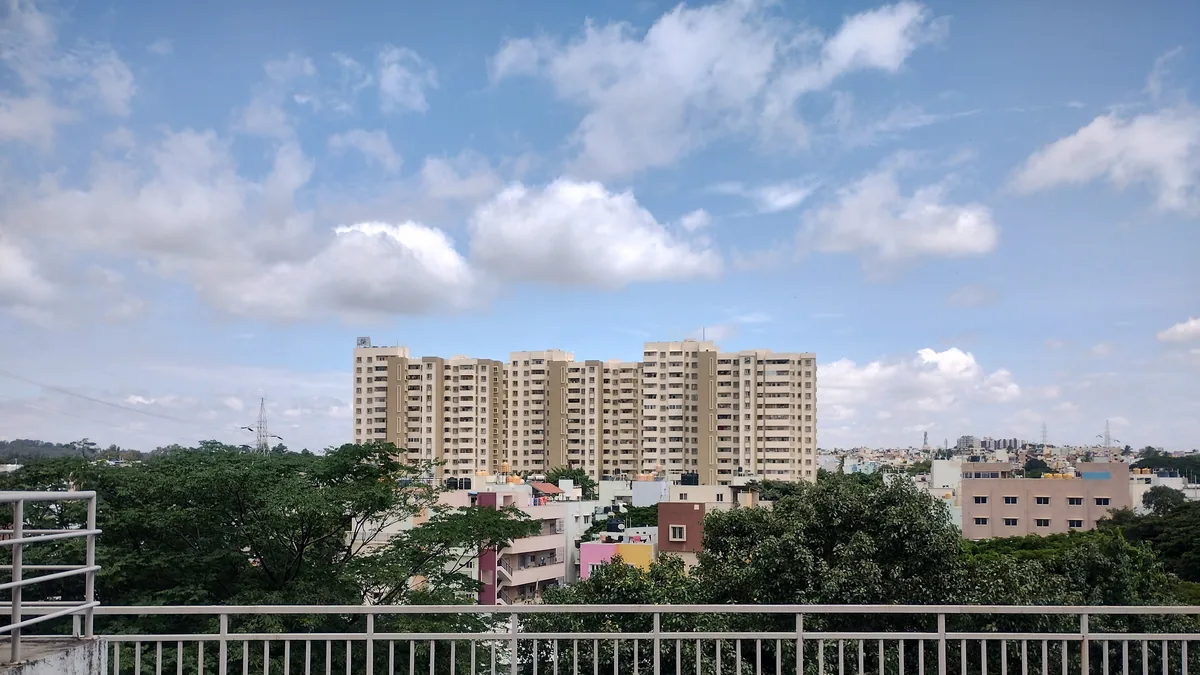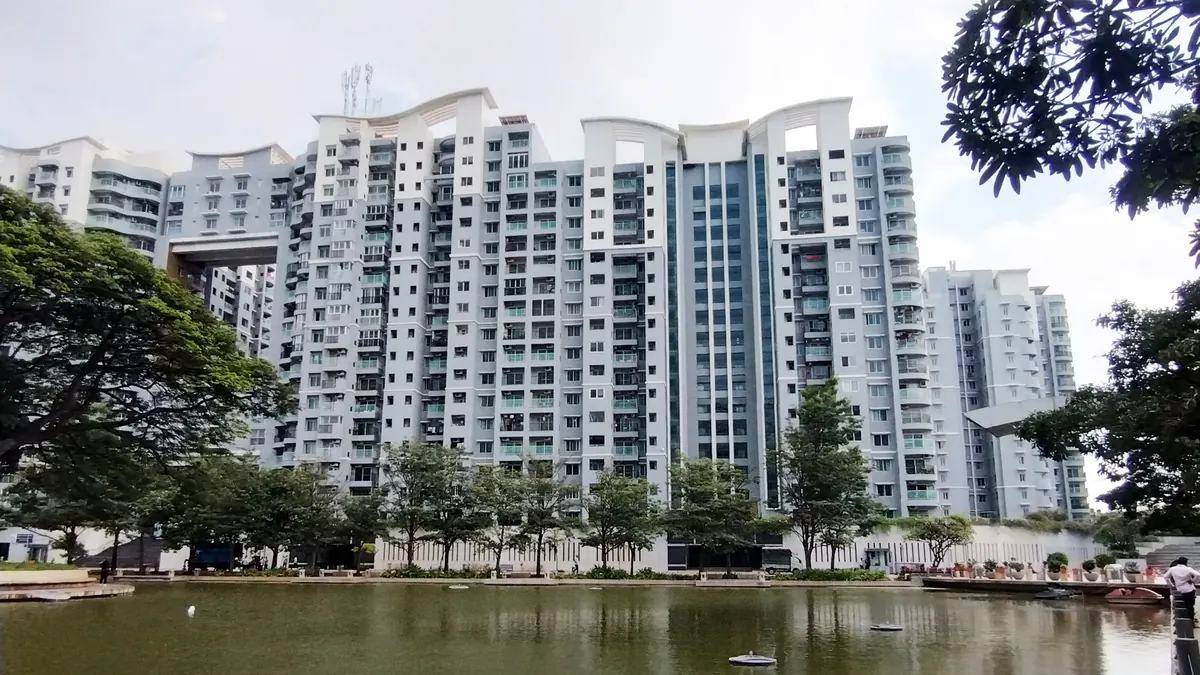
Photo: Gpkp, Wikimedia Commons, CC BY-SA 4.0.
In Karnataka, there is currently no single simultaneous statutory date that releases your individual e-khata, BESCOM electricity meters, and sinking corpus fund in one step. Khata mutation depends on municipal processing following Occupancy Certificate (OC) issuance and registered conveyance. BESCOM meter transfer requires electrical completion, LT-2(a) tariff sanction, and clearance of bulk construction dues. The corpus fund is a fiduciary deposit legally protected under Sections 11(4)(g) and 17 of RERA, 2016, requiring transfer to the registered Association of Allottees (AoA) alongside accrued interest. While the Karnataka Apartment (Ownership and Management) Act, 2026 establishes a strict 60-day post-OC handover deadline once brought into force, buyers can immediately demand written accounting and asset transfer under existing RERA precedents.
The impending statutory shift under Karnataka's new apartment framework is detailed in what handover within 60 days of OC would mean and what in the 2026 Act is currently law. This guide outlines the legal mechanics, operational timelines, and document checklists required to audit and secure these three vital handovers today.
Three distinct assets, three administrative tracks
Homebuyers frequently encounter project handovers where possession is offered with keys and interim maintenance bills, yet municipal registers, utility bills, and reserve capital remain trapped under developer control. Resolving this requires tracking three separate administrative processes:
Handover Stack = Civic Title Record (Khata) + Utility Metering (BESCOM) + Reserve Capital (Corpus)
1. Municipal e-Khata: The civic title identification
A property cannot achieve clean individual e-khata mutation without two prerequisite promoter milestones: * Project Occupancy Certificate (OC): An OC certifies that the structure complies with sanctioned architectural plans, structural stability standards, and fire safety norms. Never accept an individual khata promise if the project lacks an authentic OC issued by BBMP/GBA or local planning authorities. Review OC vs CC legal distinctions. * Mother Khata & Mutation Dossier: The promoter must first secure the parent building khata and provide buyers with the registered deed, sanctioned plan copy, and municipal tax clearance certificates required to complete e-Aasthi digital mutation. Learn the complete operational workflow in A-khata, B-khata and e-khata in Bengaluru and first 90 days post-purchase.
2. BESCOM electricity meters: Eliminating construction power traps
Taking physical possession of an apartment while electrical infrastructure remains on a temporary construction line or commercial bulk supply creates severe financial liability: * Permanent LT-2(a) Residential Conversion: Promoters must clear temporary power sanctions and transition individual consumer meters to the domestic LT-2(a) tariff. * Initial Security Deposit (MSD) & Arrears: Demand written confirmation of meter numbers, sanctioned connected load in kilowatts (kW), and proof of remittance for meter security deposits. Ensure the builder has settled all backlog dues with the local BESCOM sub-division. An unresolved bulk bill will lead to collective power disconnection or tariff penalties imposed on the apartment society.
3. Sinking corpus & maintenance reserve fund: Protecting buyer capital
When booking an apartment, buyers pay substantial sums earmarked for the "Corpus Fund," "Sinking Fund," or "Advance Maintenance Deposit." * Fiduciary Custody under RERA: Under Section 11(4)(g) of the Real Estate (Regulation and Development) Act, 2016, the promoter is legally obligated to pay all outgoings until physical handover to the association, and must transfer the accumulated maintenance and corpus reserve to the registered Association of Allottees. * Accrued Bank Interest: The corpus fund must be held in an escrow or scheduled bank interest-bearing account. Promoters cannot unilaterally absorb interest yields or deduct administrative overheads without furnishing an audited income-and-expenditure statement. * K-RERA Enforcement Precedents: On 3 June 2026, Karnataka RERA ordered a Bengaluru promoter to hand over the land khata, BESCOM and water meters, corpus fund, escrow balance, and complete maintenance ledgers to the resident association within 90 days. RERA authorities consistently treat corpus retention as a punishable violation under Section 17 and Section 61.
Formulating your formal handover demand letter
Do not rely on verbal assurances during key handover ceremonies. Serve a structured, written requisition letter on the promoter's corporate office, sending a copy to the ad-hoc resident committee:
- Occupancy Certificate: Request a certified copy of the final, unconditional Occupancy Certificate issued by the competent planning authority.
- Khata Mutation Timeline: Require written confirmation of the mother khata registration number and a committed timetable for issuing individual e-khata documents under the e-Aasthi system.
- BESCOM Utility Dossier: Demand the official electrical completion certificate, individual meter account numbers, sanctioned load certificates, and final receipt evidencing zero arrears on temporary connections.
- Corpus Ledger & Audit: Demand an audited, unit-by-unit ledger detailing all corpus and advance maintenance collections, accrued interest from date of receipt, and a formal transfer instrument into the AoA bank account.
- As-Built Engineering Drawings: Request complete structural, plumbing, electrical conduit, and stormwater drain schematics needed for long-term building maintenance.
Before signing formal possession paperwork, cross-verify every item against our 25 final checks before taking possession and audit demands against the K-RERA ruling on pre-handover charges.
The KAOMA 2026 framework: The upcoming 60-day statutory clock
Under the published text of the Karnataka Apartment (Ownership and Management) Act, 2026 (commonly referenced as Section 16 of the statute), developer handover obligations will transition into a rigid statutory schedule:
- Strict 60-Day Mandate: Promoters will be statutorily mandated to transfer all original title deeds, sanctioned plans, occupancy certificates, and utility meters to the registered association within 60 days of OC issuance.
- Statutory Interest on Delayed Corpus: Any failure to transfer corpus funds within this 60-day window will attract mandatory statutory interest, accompanied by compulsory third-party chartered accountant audit certificates.
- Enforceability Note: While published, Section 1(2) of the Act requires a formal commencement notification in the Karnataka Gazette. Until officially notified, legal actions must be anchored in RERA Sections 11, 14, and 17.
Step-by-step interactive checklist: Builder asset handover
Frequently asked questions
This depends on your registered Agreement for Sale. Standard RERA contracts tie final payment to the issuance of the Occupancy Certificate and offer of possession, while khata mutation typically follows execution of the registered sale deed. However, if the promoter has failed to obtain the mother khata or cannot provide the documents required for civic registration, you should issue a formal legal notice before releasing the final milestone.
Temporary power connections are billed under commercial/construction electricity tariffs, which carry higher unit rates. Furthermore, if the developer defaults on power bills or violates connected load sanctions, BESCOM can disconnect the transformer, plunging resident blocks into blackouts without prior individual notice.
No. The corpus fund is held by the builder strictly in a fiduciary capacity on behalf of allottees. Any interest earned on corpus balances deposited in fixed deposits or escrow accounts belongs to the Association of Allottees. Promoters cannot retain interest income or use it to offset builder operating expenses.
The registered Association of Allottees should issue a 15-day statutory demand notice invoking Sections 11(4)(g), 17, and 18 of RERA, 2016. If the promoter fails to comply, the AoA can file a formal complaint before the Karnataka Real Estate Regulatory Authority seeking an order for immediate asset transfer alongside statutory interest and penal damages.
Under Section 11(4)(g) of RERA, the promoter is responsible for all municipal taxes, maintenance costs, and outgoings for unsold inventory until custody of common areas is formally transferred to the registered association. Promoters cannot force existing residents to cross-subsidize unsold developer stock.
Under Section 17 of the RERA Act, the promoter must hand over title documents, common area conveyance deeds, and original sanctioned plans to the association within thirty days after obtaining the completion certificate.
To safeguard your possession and association handover, consult: - Apartment Handover Within 60 Days of OC: KAOMA 2026 Analysis - Karnataka Apartment Act 2026: What Provisions Are Currently in Force - 25 Final Checks Before Taking Possession of Your Flat - K-RERA Pre-Handover Charges & BWSSB Ruling
Legal Notice: This guide provides general informational analysis of Karnataka real estate laws and utility transfer processes. Handover enforcement and association remedies depend upon specific agreement covenants and RERA registration orders. Consult a qualified property advocate before signing possession releases or initiating regulatory complaints.
Accounting Notice: Corpus fund transfers, maintenance trust taxation, and advance deposit accounting carry tax implications under the Income-tax Act and GST statutes. Consult a Chartered Accountant to structure society books and audit builder accounts.
Sources
- The Real Estate (Regulation and Development) Act, 2016: Sections 11 & 17, Promoter Obligations, India Code
- Karnataka Real Estate Regulatory Authority (K-RERA): Asset & Corpus Transfer Order Precedent, Bangalore Mirror Report
- Bangalore Electricity Supply Company (BESCOM): Conditions of Supply & LT-2(a) Domestic Power Tariffs
- Bruhat Bengaluru Mahanagara Palike / GBA: e-Aasthi Property Mutation & Building Khata Regulations